
Risks of Investing in Specialised Investment Funds (SIFs) and How to Manage Them
Introduction
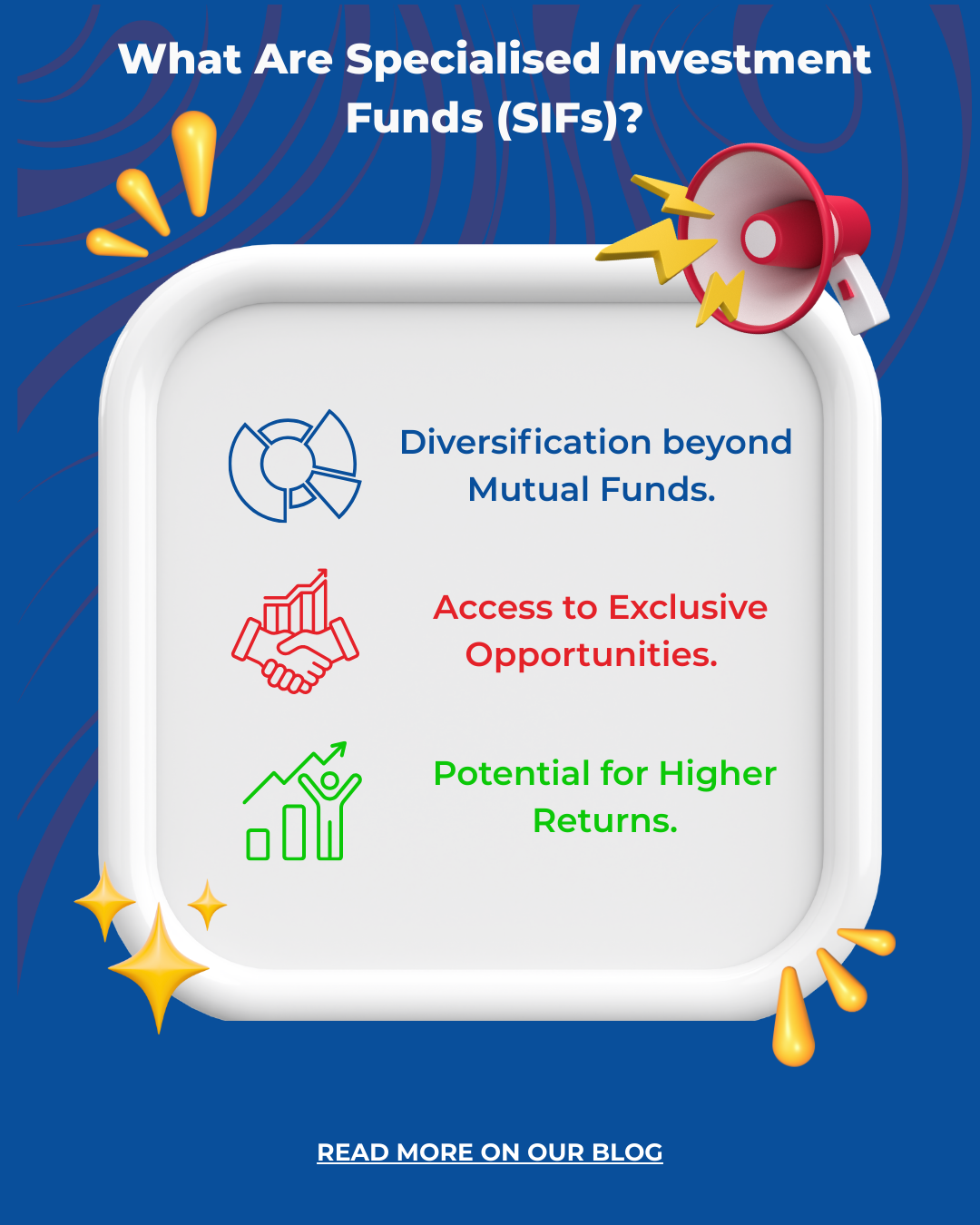
Specialised Investment Funds (SIFs) are becoming a popular choice among High Net Worth Individuals (HNIs), family offices, and institutional investors in India. These funds, regulated by SEBI, provide access to alternative asset classes such as private equity, venture capital, infrastructure, and hybrid strategies.
While the potential for high returns is attractive, SIFs come with unique risks that investors must evaluate carefully. In this article, we’ll explore the major risks of investing in SIFs and provide practical strategies to manage them effectively.
Key Risks of Investing in SIFs
1. Liquidity Risk
- What it means: Many SIFs have long lock-in periods, meaning investors cannot easily redeem their capital.
- Impact: Limited flexibility during market downturns or emergencies.
- Management Strategy: Only allocate capital you can afford to lock away for 5–7 years or more. Maintain a liquid portfolio outside the SIF for short-term needs.
2. Market and Strategy Risk
- What it means: SIF performance depends on the underlying investment strategy (equity, debt, real estate, or alternatives). Market cycles can affect outcomes significantly.
- Impact: High volatility or even loss of capital in poorly performing sectors.
- Management Strategy: Choose SIFs managed by experienced fund managers with a strong track record. Diversify across strategies (equity, debt, hybrid) to reduce concentration risk.
3. High Entry Barriers
- What it means: SIFs typically require a minimum investment of ₹1 crore, restricting participation to wealthy investors.
- Impact: Investors face high exposure in a single fund.
- Management Strategy: Treat SIFs as a satellite allocation, not your core portfolio. Limit exposure to a percentage of your overall wealth (e.g., 10–15%).
4. Regulatory & Policy Risk
- What it means: SEBI guidelines and government policies shape how SIFs operate. Changes in taxation, reporting, or compliance can impact fund returns.
- Impact: Uncertainty in fund structure or net yields.
- Management Strategy: Stay updated on SEBI regulations and consult a wealth advisor who tracks policy changes. Prefer SIFs from AMCs with strong compliance frameworks.
5. Transparency & Information Risk
- What it means: Unlike mutual funds, SIFs may not disclose detailed portfolio holdings regularly.
- Impact: Investors may not have complete visibility into fund performance.
- Management Strategy: Review the Private Placement Memorandum (PPM) before investing. Insist on periodic updates and transparent reporting from fund managers.
6. Taxation Risk
- What it means: While SIFs usually follow a pass-through taxation model, business income (if any) may be taxed at the fund level. Tax rules can also change.
- Impact: Unexpected tax liabilities reduce net returns.
- Management Strategy: Consult a tax advisor before investing. Factor taxation into return projections and prefer funds with clear tax reporting.
How to Manage Risks in SIFs (Checklist for Investors)
✅ Diversify across multiple SIFs and other asset classes.
✅ Allocate only long-term capital that you can afford to lock away.
✅ Choose funds managed by reputed AMCs with regulatory compliance.
✅ Stay informed about SEBI guidelines and taxation updates.
✅ Regularly review performance reports and question fund managers.
Conclusion
Specialised Investment Funds (SIFs) in India offer exciting opportunities for diversification and high-growth investments, but they are not without risks. From liquidity constraints to regulatory uncertainty, investors must approach SIFs with a clear understanding of the challenges.
By following a disciplined risk management strategy — diversifying, staying compliant, and seeking professional guidance — investors can balance risk with opportunity and make SIFs a valuable part of their long-term wealth strategy.
FAQs
Q1. What is the biggest risk of investing in SIFs?
Liquidity risk, as most SIFs have long lock-in periods.
Q2. Are SIFs safer than mutual funds?
No. SIFs involve higher risks but also higher return potential, unlike retail-focused mutual funds.
Q3. How can I reduce the risks of investing in SIFs?
Diversify across funds, allocate only long-term capital, and choose reputed managers.
Q4. Who should invest in SIFs?
HNIs, family offices, and institutions with a high risk appetite and long-term horizon.